Next.js and React with TypeScript, Tailwind CSS for styling, and Motion for the interactions. A few primitives (the scroll areas and pills) come from shadcn/ui; the rest is custom-built for this site. Icons are Tabler and Lucide, the interface sounds are synthesised live with cuelume, and the type is set in three faces: Geist for the interface, Geist Mono for the technical bits, and Caveat for the handwritten asides. Hosted on Vercel, with the images and video served from Cloudflare R2 so the site stays quick as the media grows.
AI helped me implement the ideas, but the ideas themselves are mine. The structure, visual direction, interactions, accessibility decisions, and every pixel were shaped by my own judgement.
About this site
My previous portfolio was built around visual direction and experimental ideas. It gave me a lot of creative freedom, and Framer was a big part of that process. It was also where I challenged myself to learn something I didn't know and eventually became comfortable with it.
Since then, my approach to design has grown.
I became more aware of the inconsistencies in my work and the things that can get lost when visual design takes the lead, particularly accessibility, clarity, and usability.
This redesign was a chance to step away from those habits and put UX first.
I wanted the visual design to support the experience rather than become the experience. A big part of that came from White by Kenya Hara, and his ideas around white space and how it can be used with intention. White space was already something I explored in my previous portfolio, so I wanted to carry that idea forward here, but with more restraint and purpose.
The goal was to find a balance between accessibility, minimalism, and small interactions that make the site feel personal without getting in the way.
I also wanted my work to be experienced, not just viewed. So wherever possible, my prototypes and experiments are live and interactive.
As a canvas
I've always treated my portfolio as a canvas, and this website as a piece of art in its own right.
I'm an artist myself, so the making matters to me as much as what it holds.
From the preloader to the fade ins and fade outs, the timing between them, the morphs, the easing curves, how the content is presented and designed, the responsiveness, and that small, pleasant feeling in the details, I've treated every part of it as a form of art.
Still evolving
This portfolio is not finished, and I don't think it needs to be.
I'm proud of what I've built, but there is always something to improve. For now, the aim is simple: make it easy to find what you're looking for, make it enjoyable to explore, and let a little of my personality come through in the details.
This cat used to stroll into our garden every now and then. We thought we made a new friend, until we realized he just came here to poop.
About Thejas Hassan Ravishankar
Thejas Hassan Ravishankar is a design engineer based in Sydney. He works across product design, interaction design, creative technology, AI interfaces, branding and motion, and builds his work with AI agents like Claude Code and Cursor. A lot of what he makes is about affective design, meaning how an interface feels to use, from a greeting that changes when you come back to the site to a robot with its own Avatar State. He holds a Master of IT in Interactive Media from the University of Technology Sydney and was selected into the UTS Apple Foundation Program in 2024.
Based in Sydney, Australia. Open to full-time roles.
What he works on
Product design
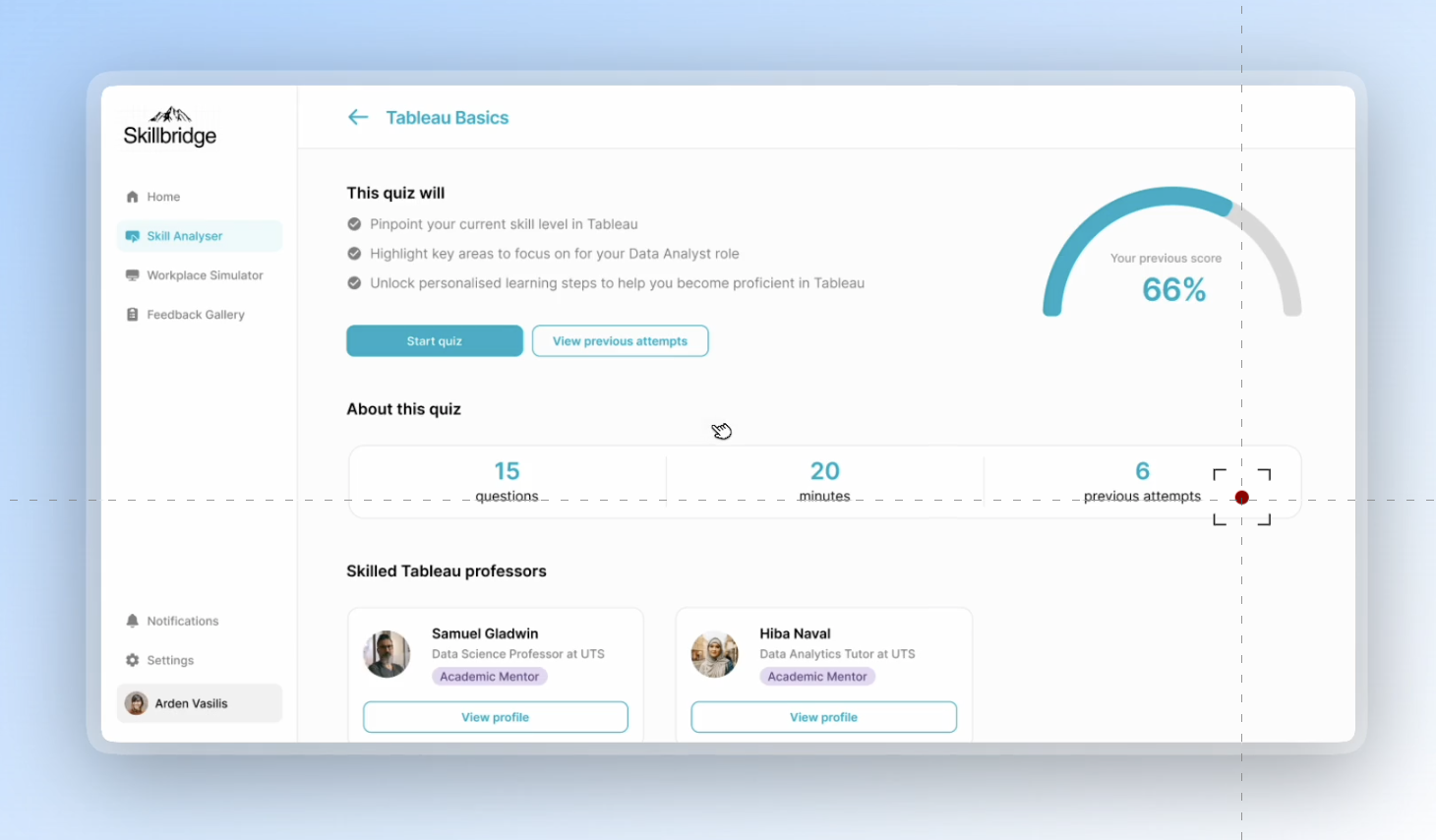
Feedback, an AI-assisted tool that helps workplace supervisors give useful feedback to the students they mentor. Skillbridge, a platform connecting students with industry mentors. Potluckey, an iOS app designed and built in SwiftUI in three weeks during the Apple Foundation Program.
Creative technology
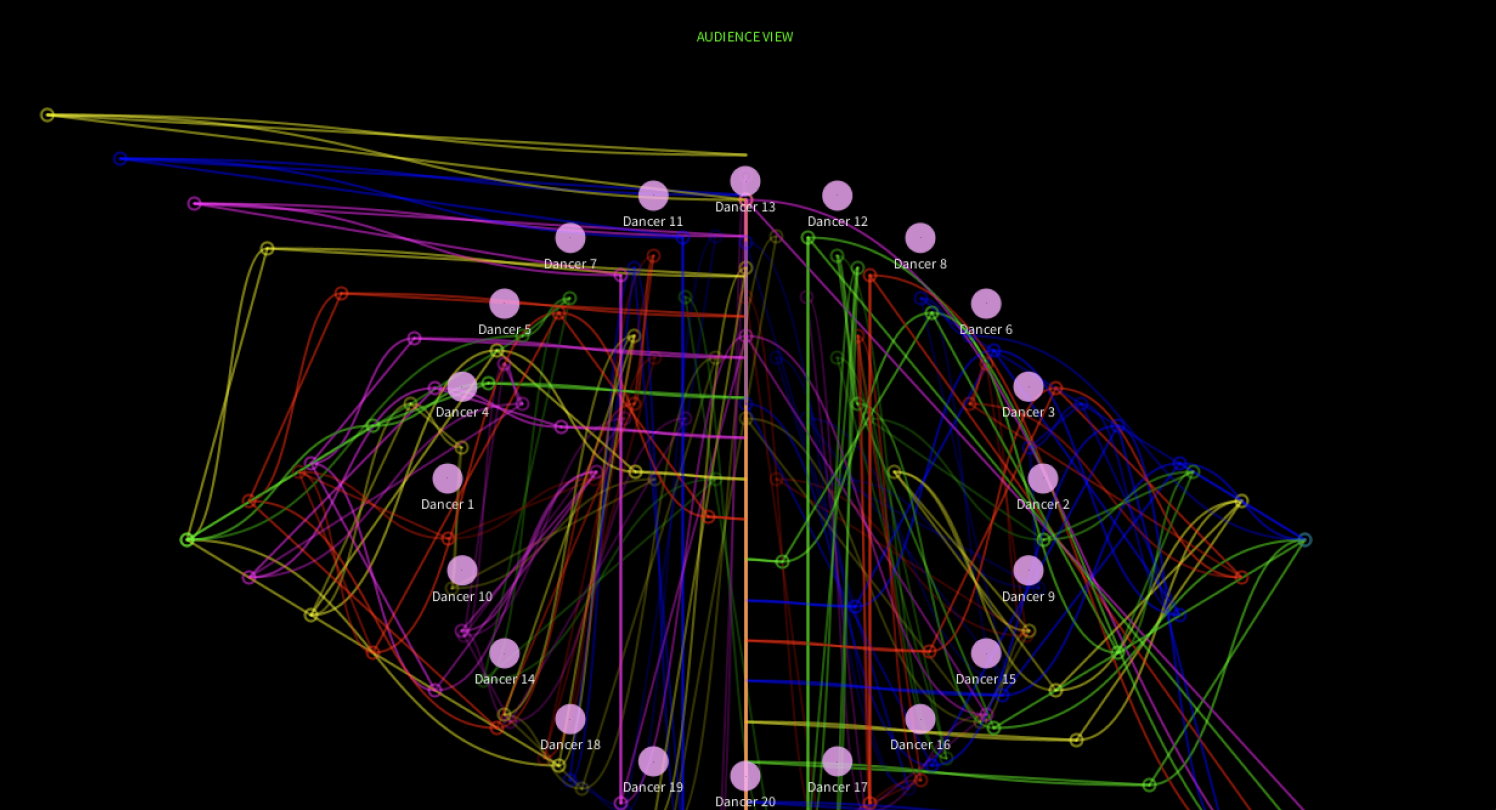
Avatar Woodsprites, a live browser experience where glowing seeds from James Cameron's Avatar find you through your camera and move with the music. Synesthetic Motion, a choreography tool for dancers, shortlisted for the UTS Tech Fest product showcase. What the computer sees, a computer vision study built on Google's MediaPipe pose model.
AI
Floral Recognition Interface, which turns a bouquet photo into a breakdown of every flower in it. It started at a Cursor build event and is now a live public demo. His portfolio itself was designed by him and built with AI agent workflows.
Affective and emotional design
His portfolio is the main example. It greets first-time and returning visitors differently and has a companion robot that reacts when you poke it. "Designing for how it feels" walks through these moments using Don Norman's levels of emotional design.
Interaction and motion
Dozens of UI explorations, including a landing page morph, a card stack, modal surfaces and a close button redesign, plus video edits like the Apple Foundation short film and a stop-motion piece.
Branding and visual design
Cover art and visual identity for Dan Vyne's debut single "Forward", branding for Feedback, and digital illustration.
Experience
Live By Our Codes, Freelance UX & Visual Designer, Jan 2026 to present
Engaged to move an established online learning community onto a new platform without breaking the flows members were already partway through. Identified the migration UX risks up front and led the design end to end, with the client supplying content and copy.
Restructured 64+ modules and 110+ sub-modules on Wix, designing the information architecture, UI screens and visual assets, and configured a CMS the client can maintain without ongoing design support.
Produced transition documentation and coordinated member communications to support adoption. The platform is live and in use by enrolled members.
Epsilon, Client Support Engineer 2, 2020 to 2023
Worked on a custom CRM account, translating complex client requirements into working solutions with the internal team.
An AI-assisted feedback tool for workplace supervisors, built to help them give timely, clear and genuinely useful feedback to the students they mentor, without adding to their workload.
2024 · Consumer Social · Academic · iOS Product Design, SwiftUI Build, Mobile UX
Potluckey helps international students find their people through the food they share. Designed and built end to end in three weeks during the Apple Foundation Program at UTS, and presented at the Apple Foundation x UTS Startups Showcase.
A design-led AI experiment: upload a bouquet photo and get a cinematic floral breakdown, with numbered markers and specimen details for every flower the model can see. Started at a Cursor build event, refined over dozens of passes into a live public demo.
A formation planner for dance routines. Build a routine as a timed sequence of formations, shape each one with generators or drag dancers into place, and watch every move leave light trails and play as music. It began as a Processing class project, rebuilt for the browser.